Flow Meter Selection Checklist for Variable Viscosity Liquids
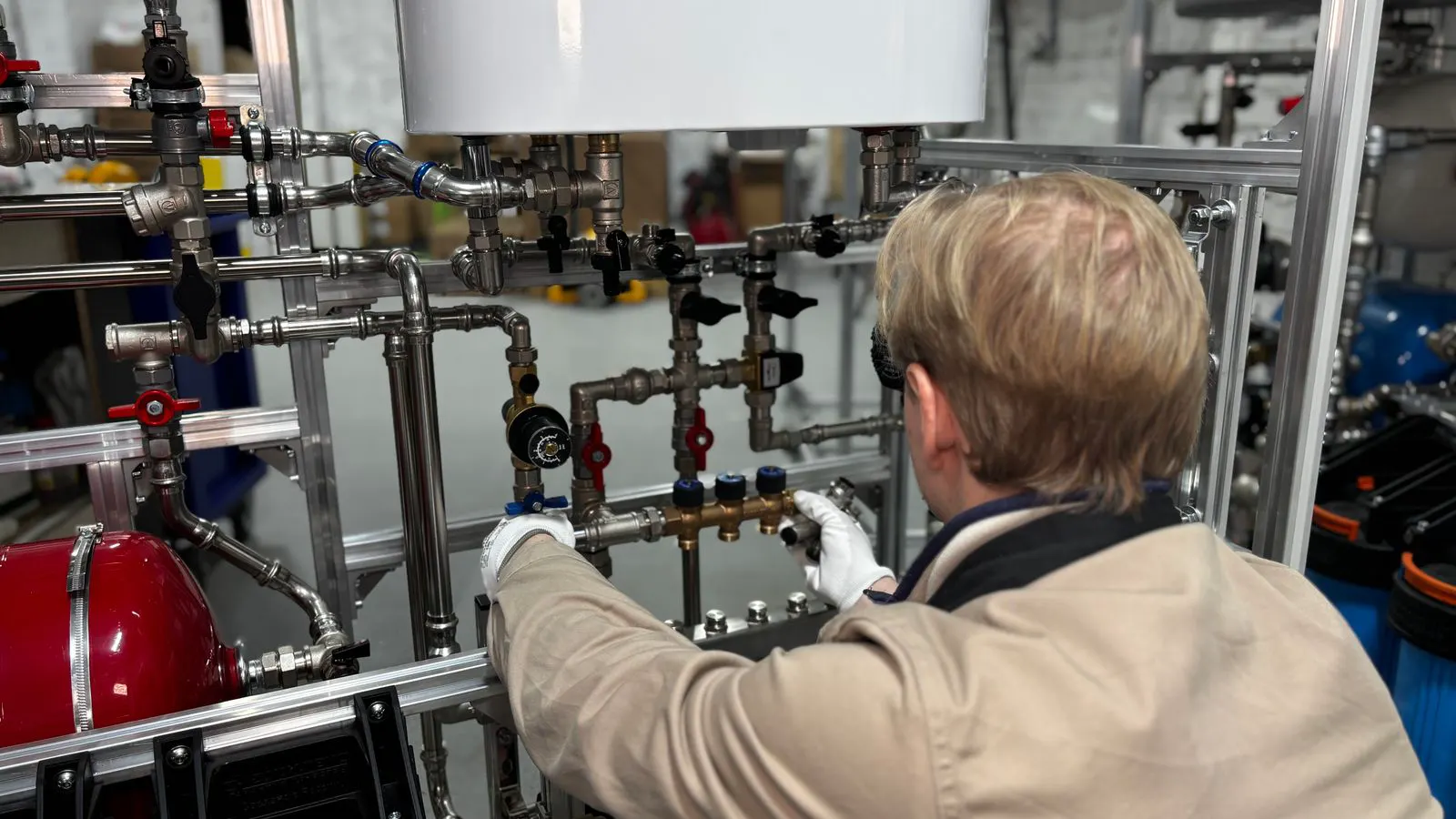
Selecting the right flow meter for variable viscosity liquids requires checking viscosity ranges, line size, and fluid compatibility. A structured audit verifies that the chosen instrument, such as a coriolis flow sensor, maintains accuracy as fluid density changes, reducing process errors.
- Verify that the selected flow meter covers the full viscosity range of the process fluid, including peak and trough conditions.
- Check that the meter type is compatible with the line size and flow velocity to avoid poor sensitivity or excessive pressure drop.
- Confirm that the manufacturer provides performance data at the specific viscosity points to validate accuracy claims.
Why Variable Viscosity Demands a Different Approach
Standard selection guides often treat flow meters as interchangeable parts. They are not. When a fluid changes viscosity, the relationship between velocity and pressure drop shifts. A meter calibrated for a low viscosity oil may read high in a heavy wax blend. This mismatch creates drift in batch accounting, pump control, and safety interlocks.
Variable viscosity is a common condition in chemical processing, food manufacturing, and fuel blending. The fluid may enter a line at low viscosity and thicken as it cools. Or it may mix with another stream that changes the bulk properties. In these scenarios, the selection process must account for the full dynamic range of the fluid.
This checklist provides a structured method to verify meter suitability. It groups checks into logical themes so you can audit a potential instrument before it reaches the field.
1. Define the Fluid Property Envelope
Before selecting hardware, establish the exact limits of the process fluid. Do not rely on a single nominal viscosity value. Viscosity is temperature dependent. A fluid at 20 degrees Celsius may have a different viscosity than the same fluid at 80 degrees Celsius.
Create a table of the fluid properties. Record the minimum and maximum viscosity. Record the minimum and maximum temperature. Record the density range. Note any impurities, solids, or gas entrainment that may occur.
Red flags to watch for:
- The vendor specification sheet only lists a viscosity range without temperature context.
- The process engineer provides a single viscosity number without explaining the operating window.
- The fluid composition changes seasonally or by batch without clear documentation.
If the viscosity range is too wide for a standard meter, you may need a different technology. A meter that works well at 1 centipoise may fail completely at 1000 centipoise. The selection must match the envelope.
2. Evaluate Meter Technology Against the Viscosity Range
Different flow meter technologies respond differently to viscosity changes. The selection must match the physics of the fluid.
- Coriolis flow sensors: These measure mass flow directly. They do not rely on pressure drop or velocity alone. They are the standard choice for variable viscosity fluids because they are less sensitive to viscosity changes than other types. However, they have their own limits. Very high viscosity can cause signal attenuation.
- Turbine meters: These work on fluid momentum. High viscosity slows the rotor down. The calibration drifts significantly. They are generally poor for high viscosity or sticky fluids.
- Vortex flow meters: These use the Strouhal number. Viscosity affects the shedding frequency. Accuracy degrades at low Reynolds numbers, which occur with high viscosity fluids.
- Magnetic flow meters: These require a conductive fluid. Viscosity has less impact on the signal, but the fluid must be conductive. Non-conductive viscous liquids are out of scope.
Red flags to watch for:
- A turbine meter is proposed for a heavy oil or polymer melt.
- A magnetic meter is proposed for a non-conductive solvent.
- The vendor does not specify the viscosity limit for the selected technology.
3. Check the Pressure Drop and Line Size
Every meter creates a pressure drop. In a variable viscosity process, this drop changes with fluid properties. A high viscosity fluid requires more energy to move. If the meter causes too much pressure drop, it can starve downstream equipment or increase pump energy costs.
Check the line size against the meter size. A small meter in a large line creates turbulence and poor sensitivity. A large meter in a small line causes excessive pressure drop.
Calculate the pressure drop at the maximum viscosity and maximum flow. Compare this to the available line pressure. If the pressure drop exceeds a small fraction of the line pressure, the meter may be undersized or the wrong technology.
Red flags to watch for:
- The pressure drop calculation was done at low viscosity only.
- The line is partially empty or has a short straight length upstream.
- The meter size is much smaller than the line size without a reducer.
Use a table to compare candidate meters. This makes the trade-offs visible.
| Meter Type | Typical Pressure Drop | Best Viscosity Fit | Sensitivity to Viscosity |
|---|---|---|---|
| Coriolis | Moderate to High | Low to Very High | Low |
| Vortex | Moderate | Low to Medium | High |
| Turbine | High | Low | Very High |
| Magnetic | Low | Low to High (if conductive) | Low |
Review the table against your process constraints. If the line pressure is tight, a Coriolis meter may not be suitable despite its accuracy. In that case, look at a magnetic meter if the fluid is conductive, or a low pressure drop vortex meter if the viscosity range is limited.
4. Verify Accuracy at the Operating Points
Accuracy is not a single number. It is a function of flow rate and fluid properties. A meter may be 0.5 percent accurate at normal viscosity but drift by several percent at the peak viscosity.
Request performance data from the manufacturer. Ask for accuracy curves at specific viscosity points. Do not accept a single “typical accuracy” figure. Ask how the accuracy changes as viscosity increases.
Check the minimum flow. Variable viscosity often means lower flow rates for the same mass flow. If the meter cannot detect the low flow rate, the process control loop will be unstable.
Red flags to watch for:
- The accuracy specification is for water or a low viscosity standard fluid.
- The manufacturer cannot provide data for the specific viscosity range.
- The minimum flow is higher than the process minimum flow.
If the vendor cannot confirm accuracy at your viscosity range, treat the meter as unverified. Do not install it. Request a sample test or a pilot run.
5. Inspect Material Compatibility and Maintenance
Variable viscosity fluids can be corrosive, abrasive, or sticky. The meter body, wetted parts, and seals must be compatible.
Check the material of the wetted parts. Stainless steel is common, but it may not handle certain chemicals. Alloy options exist but cost more. Check the seals and gaskets. High viscosity fluids can cause seal failure if the fluid is not compatible with the elastomer.
Consider the cleaning requirements. If the fluid can solidify or coat the meter, you need a meter that is easy to clean. Coriolis meters are often easier to clean than turbine meters with internal rotors. However, some Coriolis designs have small tubing that can clog.
Red flags to watch for:
- The wetted parts are not specified for the chemical composition.
- The meter has internal parts that are difficult to remove for cleaning.
- The seals are not rated for the operating temperature.
If the fluid is a polymer melt, you may need a heated meter to prevent solidification. If the fluid is a solvent, you need chemical resistant seals. The selection must match the maintenance strategy.
6. Review Installation Geometry and Straight Lengths
Flow meters have installation requirements. They need straight pipe lengths upstream and downstream to ensure a uniform flow profile. In variable viscosity processes, the flow profile may be less uniform due to pump characteristics or line geometry.
Check the upstream and downstream straight length requirements. A Coriolis meter may require less straight length than a vortex meter. A turbine meter may require a long straight length to avoid turbulence.
If the line is short, you may need an inline straightener. This adds cost and pressure drop. Consider if the straightener is necessary for the specific viscosity range.
Red flags to watch for:
- The line has a elbow or valve immediately upstream of the meter.
- The straight length is less than the minimum required by the manufacturer.
- The flow profile is known to be turbulent due to the pump type.
Verify the installation drawing. Do not rely on the meter datasheet alone. The site conditions matter.
7. Validate the Control Loop Integration
The flow meter output goes to a controller. The controller uses the signal to adjust valves, pumps, or mixers. If the meter drifts with viscosity, the controller will compensate incorrectly.
Check the signal type. 4 to 20 milliamp is standard. Check the signal range. The flow range must match the meter range.
Consider the control strategy. If the process uses a cascade control, the flow meter is the inner loop. Drift here propagates to the outer loop. If the process uses a feedforward control, the flow meter is used for feed rate calculation. Drift here affects product quality.
Red flags to watch for:
- The control loop has a tight tolerance but the meter accuracy is loose.
- The meter output is not scaled correctly for the viscosity range.
- The controller does not have a function to compensate for viscosity changes.
If the process is sensitive, consider a meter with built-in viscosity compensation. Some Coriolis meters provide both mass flow and viscosity as an output. This allows the controller to use the viscosity data for corrections.
Final Verification Step
Run through this checklist before purchase. Do not skip steps. Each step eliminates a failure mode.
- Define the fluid property envelope.
- Evaluate meter technology against the viscosity range.
- Check the pressure drop and line size.
- Verify accuracy at the operating points.
- Inspect material compatibility and maintenance.
- Review installation geometry and straight lengths.
- Validate the control loop integration.
If the meter fails any step, reject it. Do not negotiate a fix that is not supported by the manufacturer. Select a meter that meets the full envelope. Variable viscosity is a demanding condition. The meter must be selected with that demand in mind.
Frequently asked questions
Can a standard turbine meter be used for variable viscosity liquids?
Generally, no. Turbine meters are sensitive to viscosity changes and drift in accuracy. They are best suited for low viscosity fluids with a narrow range.
What is the best meter for a fluid that changes from thin to thick?
A Coriolis flow sensor is often the best choice. It measures mass flow directly and is less sensitive to viscosity changes than other technologies.
How do I check if a meter is compatible with my fluid?
Check the wetted parts material, seal type, and temperature rating against the fluid chemical composition and operating conditions. Request compatibility data from the vendor.
Does viscosity affect the pressure drop of a flow meter?
Yes. Higher viscosity increases the pressure drop. This can affect pump performance and downstream equipment. Always calculate pressure drop at the maximum viscosity.
Can I use a flow meter without knowing the exact viscosity range?
No. You need the viscosity range to select the correct technology and verify accuracy. A single nominal value is not enough for variable viscosity processes.