
Temperature Sensors
Type K vs Type N Thermocouples: Key Differences for High Heat
Type K thermocouples offer better accuracy and are widely used, but Type N thermocouples handle higher temperatures with more stable oxidation resistance. Engineers
Clear specs, supplier checks, and practical sensor selection for plant engineers.

Industrial sensor selection rarely comes down to a single spec sheet. Buyers must weigh sensitivity, output type, mounting, and environmental rating before a unit reaches the field. This site breaks those decisions down by sensor class so you can compare what actually matters on the line.
Each section covers the technical choices that affect performance and service time. You will find guidance on proximity and photoelectric sensing, pressure and level measurement, temperature control, flow meters, calibration, installation, and supplier evaluation. The focus is on the questions that appear in procurement and commissioning documents.
Start with the stage of the sourcing process you are in.
Practical guides on selecting and configuring proximity and photoelectric sensors for reliable industrial detection.
Helpful content on thermocouples, RTDs, and infrared sensors for accurate industrial temperature monitoring.
A practical overview of flow meter technologies, installation requirements, and selection criteria for engineers.
Guides on calibration methods, accuracy verification, and maintaining measurement standards in industrial settings.
Step-by-step advice on mounting, wiring, and environmental protection for reliable sensor installation.
Practical criteria for evaluating sensor suppliers, including technical support, reliability, and long-term compatibility.
Type K thermocouples offer better accuracy and are widely used, but Type N thermocouples handle higher temperatures with more stable oxidation resistance. Engineers
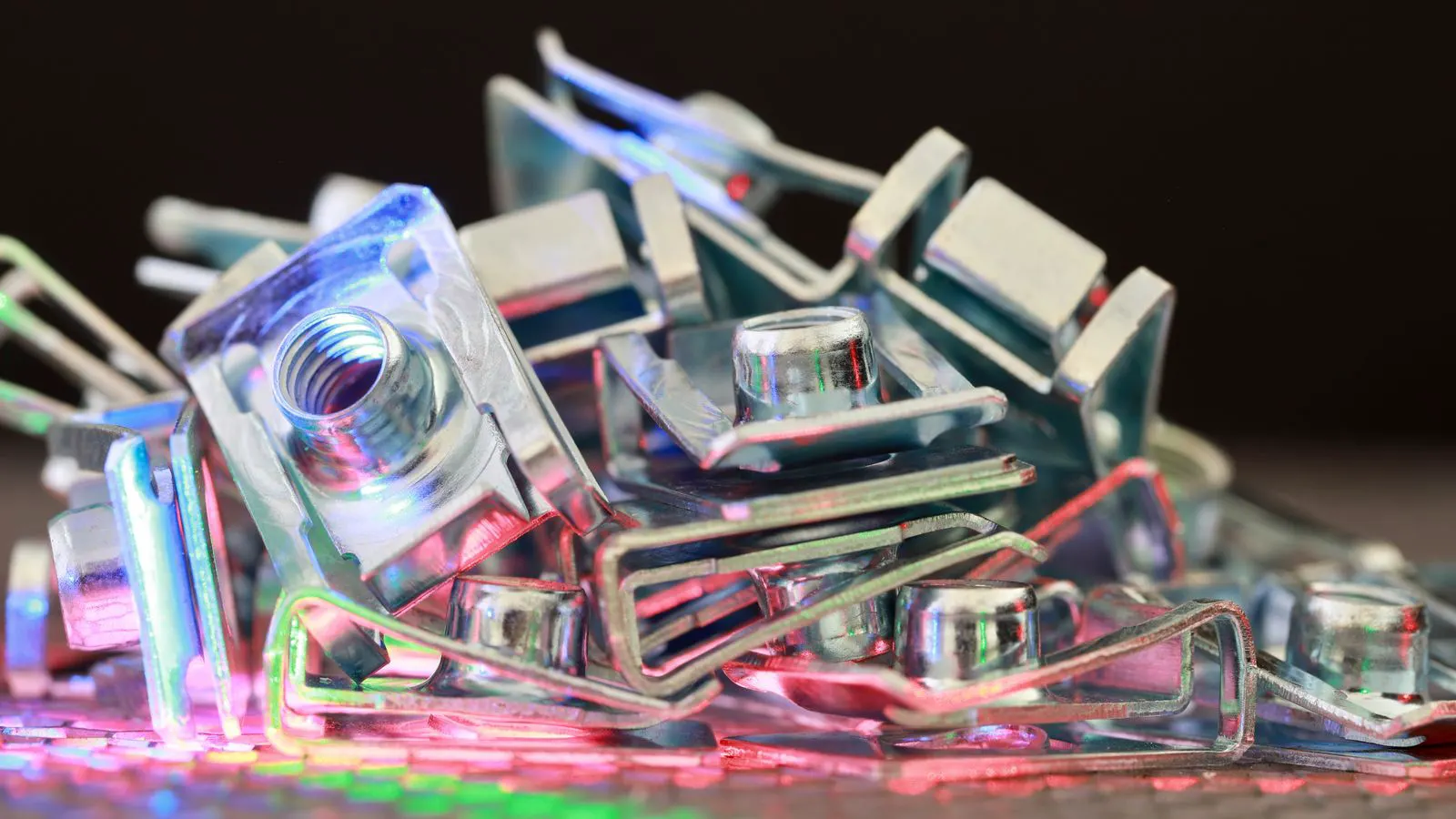
Selecting the right industrial sensor mounting involves matching the bracket material, fastening method, and environmental rating to the specific sensor type and

Industrial sensor calibration aligns measured values with known reference points using traceable standards. The process involves zeroing, range checks, and environmental
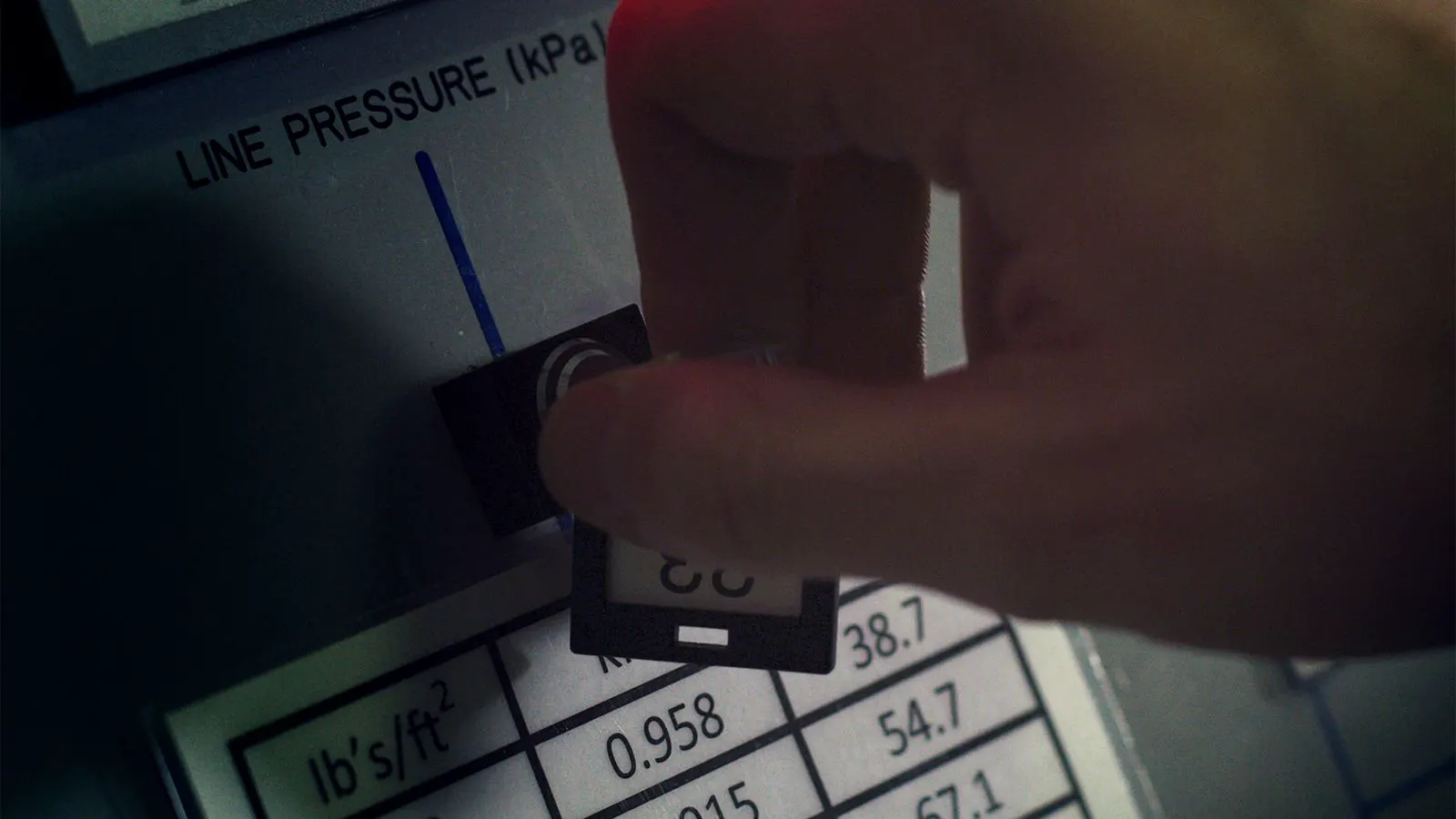
Procurement teams must match reference standards to the transducer's accuracy class and operating range. A high-pressure dead-weight tester verifies absolute pressure

Select the right proximity sensor by matching technology, response time, and mounting position to conveyor speed and material type. Evaluate detection range, housing
Inductive sensors detect metal targets and work well near conductive materials. Capacitive sensors detect non-metallic materials such as plastics and powders, but are more sensitive to environmental interference. Match the sensing type to the target material and process conditions before selecting a model.
NPN, PNP, and relay outputs connect to different control circuits. NPN and PNP fit most PLC inputs, while relay outputs are isolated and useful for older relay logic. Verify the voltage rating and current capacity against your controller and wiring run before ordering.
Calibration intervals depend on process criticality, media, and environmental stress. High-risk or high-accuracy applications require scheduled checks. Lower-risk monitoring points may need inspection only after maintenance or when drift is suspected. Document each calibration with a certificate or test record.
Incorrect pipe straight-run length, air pockets, and turbulence are common causes. Install the meter according to the manufacturer's recommended straight lengths and keep the piping level. Verify that the flow direction matches the sensor orientation and that the line is free of trapped air or debris.
Check technical support availability, lead time, and the quality of documentation provided. Request sample data sheets, warranty terms, and references for similar applications. Confirm that the supplier can support field service and spare parts availability for the expected service life.
Yes. Material selection matters at elevated temperatures. Stainless steel, ceramic, or specialized alloys are used depending on the medium and temperature range. Verify the maximum operating temperature and the chemical compatibility of the sensing element with the process fluid.